

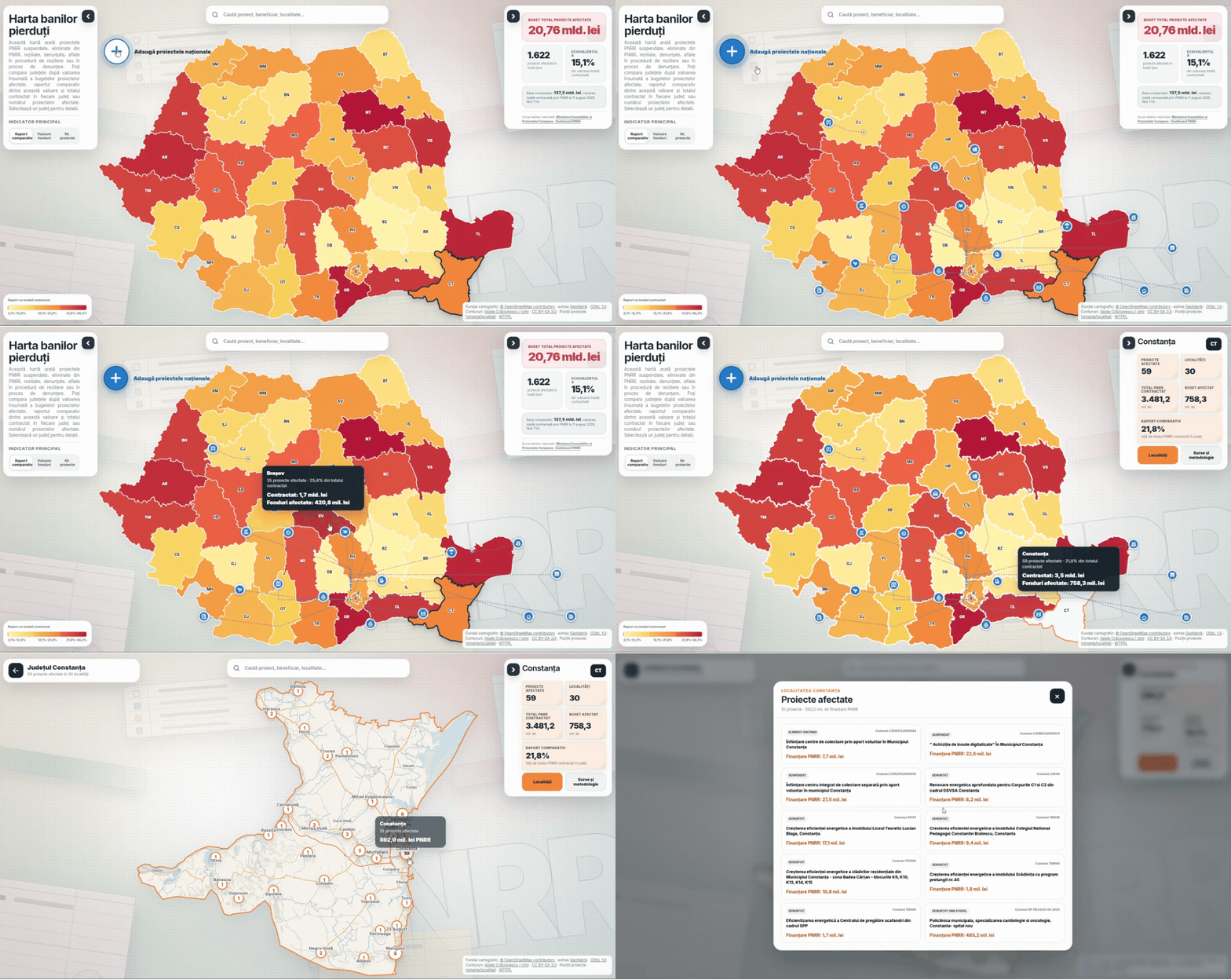
Reporters from Info Sud-Est, Átlátszó Erdély, Monitorul de Botoșani and Context.ro put together a map showing how Romania ended up losing billions of euros from the National Recovery and Resilience Plan (NRRP). Although we, as a country, had the opportunity to build hospitals and protect ourselves against floods, natural disasters and drought, we failed. We documented dozens of projects and found that hundreds of millions of euros disappeared because the authorities proved incapable of properly handling the bureaucracy.
Cluj mayor Emil Boc lost the funding for the metro because documents were not properly uploaded to an online portal. We failed to build dikes that could protect us against floods because the Romanian Waters Administration was unable to organize tenders attractive enough for contractors. Regional hospitals, which were among the central goals of Romania’s plan, have largely remained drawings and scale models.
Almost €4 billion. That is the value of National Recovery and Resilience Plan (NRRP) funding allocated to 1,622 projects that are now listed as removed, suspended, terminated, cancelled or undergoing various termination procedures, according to data provided by the Ministry of European Investments and Projects at the request of Context.ro.
Romania started in 2021 with an NRRP worth €29.2 billion, negotiated by the Cîțu government while the Ministry of European Investments and Projects was headed by Cristian Ghinea, currently a USR senator.

After five years and three approved revisions, the plan’s value fell to €20.11 billion, more than €9 billion below its initial level following the latest revision, proposed by the European Commission in July 2026 and approved in August. The budget redistribution was implemented by the government on August 20.
The NRRP funding allocated to the 1,622 projects amounts to approximately €4 billion, equivalent to roughly 14% of the plan’s original value. Almost half of this amount, 46.96%, comes from the grant component, while the remaining 53.04% comes from the plan’s loan component.

Based on the data we were able to obtain, we cannot know how much was actually paid for each of the 1,622 projects before they lost their funding. What is certain, however, is that although part of the freed-up funds may be used for other NRRP investments, the remaining costs of the failed projects will have to be covered from other sources of funding, whether European or national, if the authorities want to continue them.
What already looks like a very poor overall picture of Romania’s absorption of NRRP funds could turn into a financial disaster at the beginning of next year. That is because the “NRRP Closure Law” (183/August 28, 2026), published at the end of August, gives some breathing room to those close to finishing their construction projects, but could severely hit those that still fail to complete them by December 31, 2026.
“What happens to projects that are not finished? Under the new law, things work as follows: local administrative units will have until December 31, 2026, to complete these projects using their own funds or other funding sources. Those that manage to complete their projects by December 31 will not suffer any loss. For example, if a project is 85% complete and the money used so far came from European Union funds, the respective local authority covers the remaining 15% by December 31, 2026, and then it will not have to repay any money. In practice, projects that had not been saved as of today [August 31, 2026 – ed.] have been given a little more time. That is the good news. The problem is with those that will not be completed,” Botoșani prefect Raluca Curelariu said during a Prefectural College meeting held on August 31st, the very day when reporting on the progress of NRRP projects closed.
Asked what would happen under the new law to projects that are still not completed by December 31st and whether they would have to repay all the NRRP funds they had received, the Botoșani prefect said: “Let us hope they will lose only, proportionally, what they failed to claim for the work carried out by August 31st. That is probably how it will be, but we will see.”
At this point, three scenarios are effectively being discussed:
- projects that will be fully saved by the end of the year;
- projects that will lose funding proportionally to the work left unfinished;
- projects that could be required to repay all the money.
We also do not yet know how many of these projects are linked to fraud cases or who will be held responsible for any resulting losses. At the end of 2025, the European Public Prosecutor’s Office had 34 active cases in Romania involving fraud related to recovery and resilience programmes, according to EPPO’s annual report. However, the institution headed by Laura Codruța Kovesi does not publish either the total number of projects targeted by these investigations or a complete list of them.
None of the ministers responsible for European Funds during the negotiation and implementation of the NRRP — Cristian Ghinea, Marcel Boloș, Florin Cîțu, Dan Vîlceanu, Adrian Câciu and Dragoș Pîslaru — responded to requests for comment regarding the failure of the more than 1,600 projects removed from the NRRP.
Until answers to those questions emerge, Info Sud-Est is providing you with a map of the lost funds. The interactive map below allows readers to explore the 1,622 projects contracted through the NRRP that will now place greater pressure on other programmes and public budgets, broken down by county, locality, responsible institution and investment value.
Boc Lost European Funding Because European Public Procurement Was Mishandled
One of Romania’s largest investments included in the EU’s National Recovery and Resilience Plan, the Cluj metro, lost this source of funding two years ago. Component 4 of the NRRP, dedicated to sustainable transport, would have covered more than 10% of the metro’s estimated €2.6 billion budget.
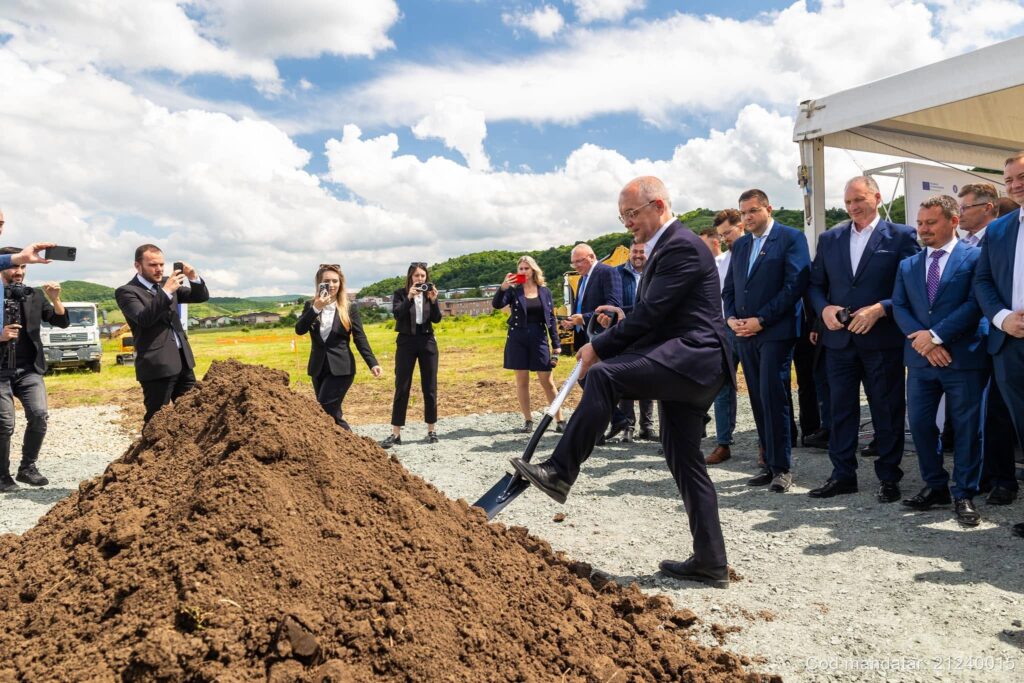
Component 4 of the NRRP, sustainable transport, is coordinated by the Ministry of Transport. The Cluj metro appeared in the NRRP as a project of national interest, but its implementation is being handled by the Cluj-Napoca City Hall, led by Emil Boc.
At the end of 2022, on December 29, the municipality signed a financing contract with the ministry covering the full €2.6 billion value of the metro project, including €300 million in European funding. For Romania to be able to claim these funds through the NRRP — meaning for the European Commission to pay that amount to Romania — almost half of the metro line should have been completed by August 2026: 9.1 kilometres out of 21 and nine of the 19 metro stations. Romania lost this source of funding before the contractor had made the first excavation.
Cluj-Napoca City Hall launched the metro tender as early as March 2022, initially at a value of €1.2 billion excluding VAT. More than a year later, in May 2023, the municipality accepted the bid submitted by a consortium of four companies, but by then it had already increased the works budget to €1.7 billion, also excluding VAT. The contract went to a consortium of contractors led by the Turkish company Gülermak. The works were authorized during the 2024 election campaign, when Emil Boc, Nicolae Ciucă, Marcel Ciolacu and Sorin Grindeanu inaugurated the construction site.
Economedia revealed in October 2024 that Brussels officials had explained in an official letter sent to the government that funding for the metro had been halted because of irregularities in the procurement procedure. The European Commission compared the metro procurement procedure published in SEAP, Romania’s electronic public procurement platform, with the procedure published in the Official Journal of the European Union and found discrepancies significant enough to withdraw funding for the investment. While Cluj-Napoca City Hall amended the tender documentation nine times in SEAP, it published only five amendments at European level: extensions to the deadline for submitting bids.
It failed, however, to publish in due time at European level the increase in the value of the works from €1.2 billion to €1.7 billion, and it also failed to properly extend the bidding deadline. The European Commission says Cluj-Napoca City Hall increased the contract value by 30% just two weeks before the deadline expired and also changed the minimum requirements.
In SEAP, Cluj-Napoca dealt with the change by suspending the procurement procedure, but that suspension did not appear on the European platform. According to the European Commission, EU rules require the contracting authority in such situations to restart the entire procurement procedure with the new requirements so that all interested parties have an opportunity to bid for the works.
By the summer of last year, it had become clear that the Cluj metro would lose €300 million in NRRP funding, alongside other projects that were already clearly impossible to complete by August 2026.
Mayor Emil Boc told Euronews that the government had sole authority to decide whether the metro project would remain in the NRRP and blamed the European Commission:
“What the Government said, and said very clearly — and this also applied to the motorway sections in Moldova — was that, because of a technical error, and I repeat, not an error by the Ministry of Transport or by Cluj, the Romanian SEAP, the Romanian Electronic Public Procurement System, was not synchronized with the Official Journal of the European Union in the case of the metro. I gave the example from Cluj: we published it in SEAP, they sent it to the OJEU, the OJEU was supposed to respond within 48 hours and tell us if there was a problem. It did not respond within 48 hours and then after 72 hours it sent a message to SEAP saying, ‘you know, there is a problem.’ Now the European Commission is accusing us of something that is not our fault, because they, through the OJEU, failed to comply with the standard deadlines,” Emil Boc said in July 2025.
The Ministry of Transport told PressOne in October 2024 that all expenses incurred up to that point for construction of the metro would be covered through green bonds. It was only in August 2025 that Emil Boc said the NRRP was not the only European source available to finance the metro, and in December he stated that the project would not be funded through the NRRP, but through European cohesion funds.
As of August 2026, construction of the Cluj-Napoca metro was 2.55% complete, according to the municipality’s own centralized progress report.
Átlátszó Erdély showed in this article how the metro was prioritized in Cluj-Napoca precisely because it had been included in the NRRP, at the expense of the cheaper and simpler metropolitan rail proposal, and why the metro feasibility study’s passenger estimates are unrealistic.
€340 Million for Dams and Flood Protection
Through the NRRP, the government planned to rehabilitate and build 20 dams and more than 500 kilometres of flood-protection dikes. In the end, we were left with one dam and one polder, hundreds of millions of euros lost and the planned flood-protection lines nowhere to be seen.
The largest projects aimed at reducing flood risks were implemented through the NRRP under Component 1 — Water Management, as climate adaptation projects.
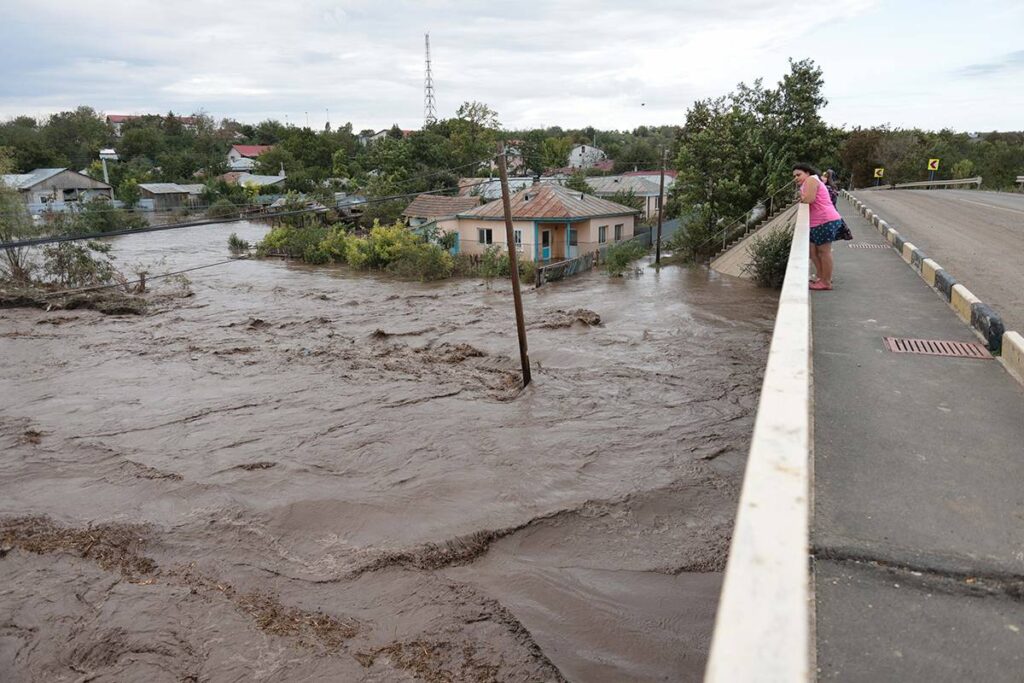
The Romanian Waters National Administration (ANAR) planned investments worth €340 million for digitizing and automating water-storage equipment at existing reservoirs, as well as rehabilitating flood-protection lines, dams and polders. The completion deadline was June 2026. In June 2025, several projects had barely reached the tendering stage, and with each renegotiation investments were removed from the list. By November 2025, out of 510 kilometres of protection lines, 20 dams and 20 polders, only two remained on the list: the Leșu Dam, which was recently officially inaugurated, and the Sălard polder — the only two completed projects from the entire NRRP investment list.
In fact, by 2025, a large share of the investments initially planned under the NRRP had already been removed. “Due to increases in the prices of construction materials and energy, as well as the market blockage reflected in the lack of bids submitted for public tenders published both on the SICAP platform and in the OJEU, the NRRP was renegotiated with the European Commission in 2023,” ANAR said. This resulted in a €46 million reduction in the investments initially planned for the rehabilitation of dams and polders.
At the time, Environment Minister Diana Buzoianu also said the institution was renegotiating the National Recovery and Resilience Plan. “There will be projects that have not advanced and that we will unfortunately have to give up,” Diana Buzoianu said in 2025. “There are projects that have been missed. At Romanian Waters, for example, dams and dikes. A large share of those investments has not advanced,” the minister added.
The original investment list:
- 510 km of rehabilitated flood-protection lines;
- 30 DALI documents — Documentation for the Approval of Intervention Works — / mixed projects related to the sub-investment for rehabilitation of existing permanent reservoirs (dams);
- 20 rehabilitated permanent reservoirs (dams);
- 20 rehabilitated or newly installed polders.
What remained after renegotiation?
- 408 km of protection lines;
- 13 rehabilitated dams;
- 13 rehabilitated or newly installed polders.
What was completed:
- Leșu Dam;
- Sălard Polder.
In June 2025, ANAR told us that of the 13 identified investments for rehabilitating dikes and reaching the 408-kilometre target, only three had approved technical-economic indicators, covering a total of 148 kilometres of dikes. Of the 13 projects for rehabilitating existing polders or installing new ones, only six had approved technical-economic indicators, covering the rehabilitation of eight polders. The remaining projects were at various stages of approval.
“With regard to the financing contract for implementing projects aimed at rehabilitating permanent reservoirs (dams), the public procurement procedure for works, supervision and audit contracts is currently underway. The works contract has been signed for one permanent reservoir (Leșu reservoir, Bihor County), with another four contracts due to be signed during June (Gilău reservoir, Cluj County; Surduc, Timiș County; Mărăcineni, Argeș County; and the hydrotechnical node on the Mureș River, Mureș County), while all works contracts are expected to be signed by June 30, 2025,” Romanian Waters told us in a letter signed by director Sorin Lucaci. Works contracts were also signed for two polders — Sălard in Bihor County and Rovinari in Gorj County — with the others expected to be signed by the end of July.
A document explaining the need for Water Management investments through the NRRP states that more than 75% of Romania’s reservoirs, built before 1990, operate under restrictions. Citing a 2018 World Bank report, the document describes three major categories of deficiencies affecting reservoir safety: significant and dangerous seepage, sedimentation in reservoirs, and the physical and technological wear of hydromechanical equipment.
The document also mentions “significant structural deficiencies” affecting foundations, waterproofing and drainage systems, as well as outdated hydromechanical equipment. “In the event of incidents or accidents caused by dangerous natural phenomena or operational failures, the population exposed to risk is estimated at 550,000 people,” the document warns.
Six reservoirs are identified as requiring urgent intervention: Siriu in Buzău County, Leșu in Bihor County, Poiana Uzului in Bacău County, Valea de Pești in Hunedoara County and Dridu in Ialomița County. Of these, only Leșu remained on the list of NRRP-funded investments after repeated renegotiations and was completed. We wrote extensively about how the state protects us from floods here.
We Bought Hydrogen Trains Without a Fuel Supply and Without NRRP Funding
One of the largest projects financed through the NRRP, the purchase of 12 hydrogen trains, lost its funding after the procurement tender was cancelled several times because the authorities received no compliant bids.
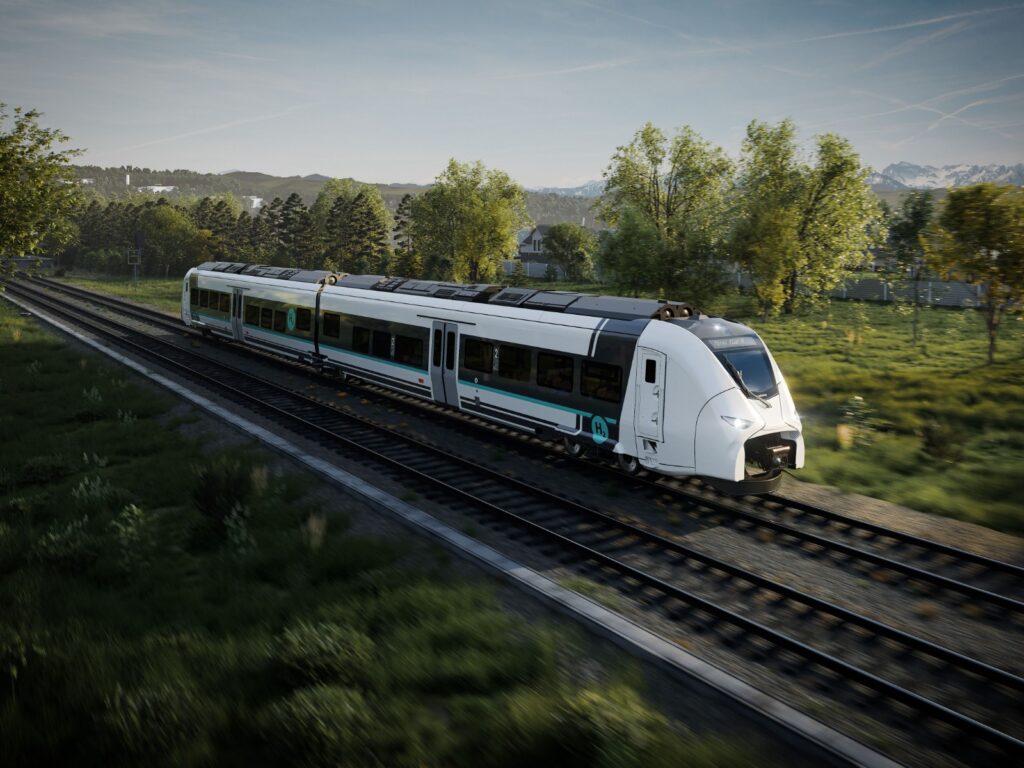
The funding was cut in 2026 while the Railway Reform Authority (ARF) was evaluating bids from the latest tender. ARF ultimately bought the trains for 1.61 billion lei. The tender was won by the Siemens Mobility consortium, made up of Siemens Mobility SRL, Siemens Mobility GmbH and Siemens Mobility Austria GmbH.
Before the trains are delivered, ARF must also find a hydrogen supplier, which will be selected through another tender. However, the authorities have not yet identified a solution for supplying the green hydrogen needed to power the trains. According to ARF, Siemens is required “to provide technical assistance for hydrogen refuelling services.”
In an interview with Club Feroviar in May this year, Siemens Mobility Romania CEO Emil Voinea stressed that the company is only responsible for supplying the trains and that the hydrogen supply is the responsibility of the Romanian authorities. “Under the contractual provisions, it is exclusively the responsibility of ARF and of those that will operate the trains to decide on the hydrogen supply solution, in compliance with the specifications provided by Siemens Mobility,” said Emil Voinea, CEO of Siemens Mobility Romania.
The first trains are expected to be delivered starting in August 2028. ARF and the supplier are currently deciding what their interiors will look like. For now, it is also unclear what money will be used to pay for them. “It is expected that financing for the contract will be provided from financial resources allocated through the Transport Programme,” ARF told us at the end of August.
€142 Million Lost and No Cycle Routes
Timiș County Council, as project leader, in partnership with Arad, Caraș-Severin and Hunedoara counties, received €142 million in funding for a 1,729-kilometre cycle-tourism network.
During the technical preparation stage, the route was revised and extended. In 2024, Timiș County Council reported that, based on data collected by the four beneficiary partners, either to avoid expropriations or to increase the attractiveness of the route, the network would cover 1,856 kilometres.
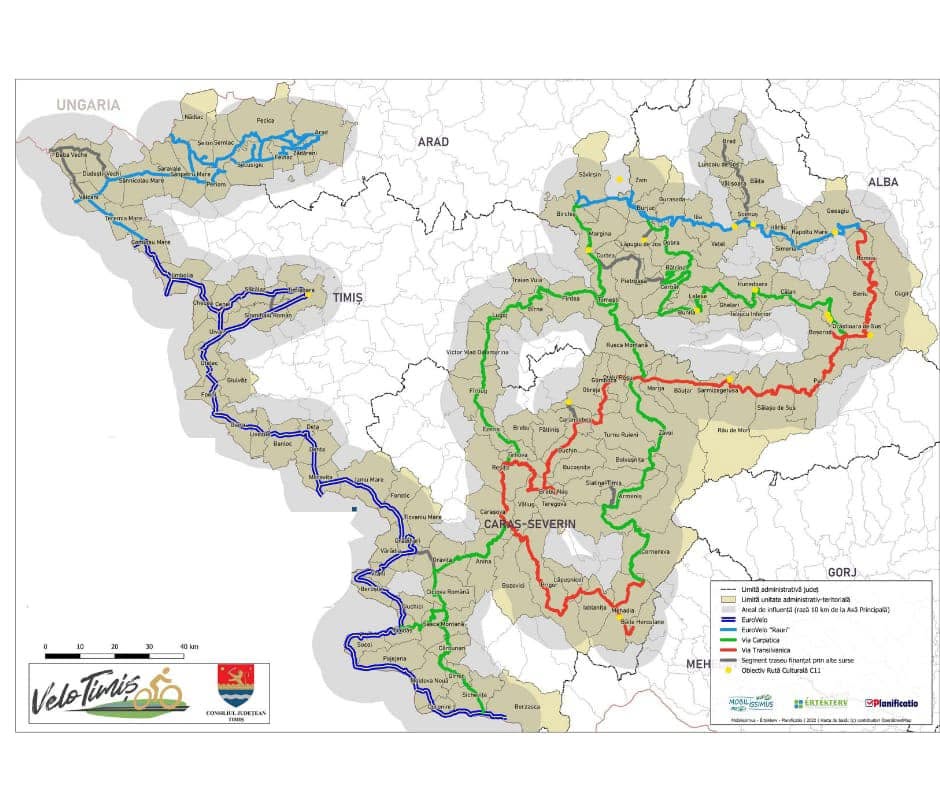
The project progressed as far as preparation of the technical-economic documentation. In 2024, SC EUROCERAD INTERNATIONAL SRL was contracted to prepare the feasibility study with DALI elements, for 18,771,200 lei excluding VAT, and in 2025 the project’s technical-economic documentation was approved.
In August 2025, Timiș County Council also launched the procedure for design and construction works, divided into seven lots. However, the procurement documentation explicitly stated that, given the “suspension of NRRP funding,” awarding the contracts depended on identifying a new source of funding.
The reason for removing or suspending the project from the NRRP was its insufficient implementation progress and the impossibility of completing the works within the NRRP timetable, rather than the abandonment of the infrastructure objective itself.
The project is currently officially described by Caraș-Severin County Council as “suspended,” while Ministry of Development documents list it as “terminated.” We have so far been unable to identify a decision or official statement confirming that the “Cycling through the West” project has been transferred to another funding source.
Timiș County Council explained in a response to Átlátszó Erdély that the project had been “affected, but not blocked” by tender challenges and the need to change routes to avoid expropriations. Although the authorities wanted to build the routes, the Ministry of Development decided in November 2025 to remove the European funding and close the project. Institution spokesperson Loredana Lungu said the project remains valid if another source of funding can be identified to build the cycle routes and that the technical documentation can be reused in the future.
250 Protected Areas Left Without European Funding
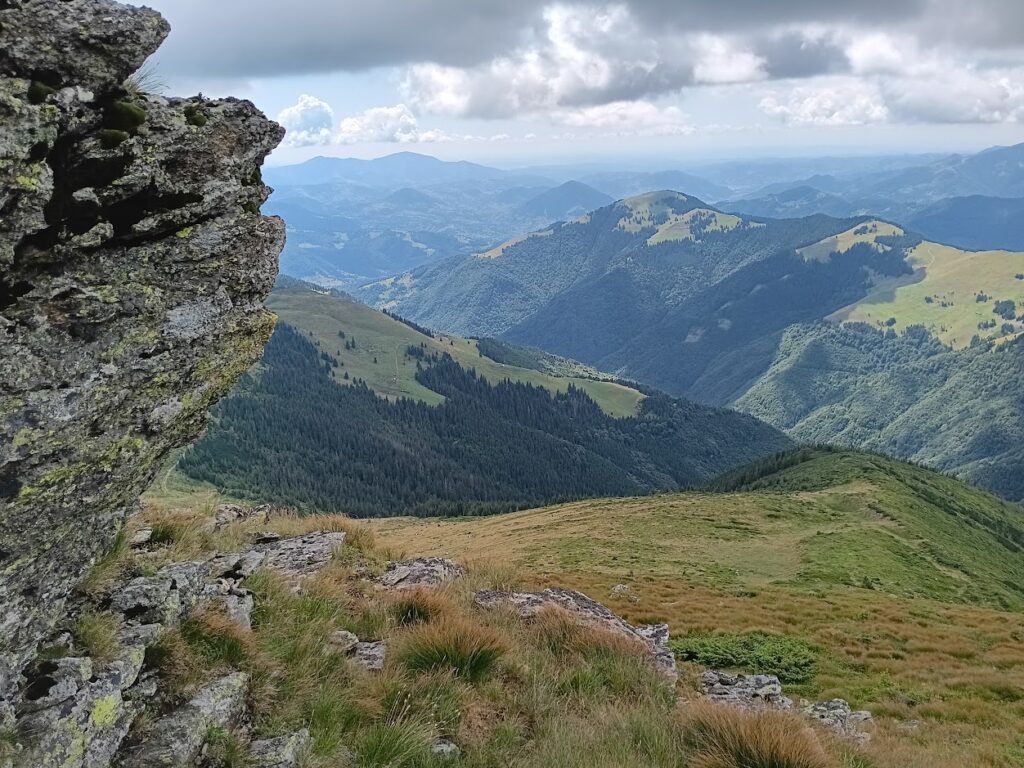
The NRRP drafted under former minister Cristian Ghinea included an objective to update approved management plans for at least 250 protected natural areas. The investment was part of the NRRP’s repayable financing component, meaning loan funding, and was worth €120 million.
The Ministry of Environment signed the financing contract with the National Agency for Protected Natural Areas (ANANP) in August 2023. The Environment Ministry designated ANANP as the implementing agency in June 2024.
One year after the contract was signed, ANANP, which was supposed to implement the NRRP project, merged with the National Environmental Protection Agency and its subordinate environmental protection agencies. It was only in April 2025 that the government established the organization and functioning of the new National Agency for Environment and Protected Areas, meaning the new structure became operational seven months later.
In practice, the project moved slowly. The Environment Ministry guidelines drawn up for the investment explicitly identify problems in the market for services used to draft or update management plans: a small number of economic operators with limited capacity, bottlenecks in the drafting, updating and approval process and, consequently, a “major risk of losing NRRP funding.” The document states that the deadline for completing the 250 plans was June 30, 2026.
In October 2025, the ministry presented the project’s status as part of the NRRP renegotiation process. At the time, there was a financing contract worth more than €128 million in total. The project was removed from the NRRP at that point, and we have not identified any decision specifying another source of funding.
Neamț County Hospital Deprived of Hundreds of Millions from the EU
Residents of Neamț County were supposed to receive treatment in a new €326 million county hospital. Two-thirds of the costs were covered by European funds, but according to the documents, no source had been identified for the remaining 30%. After two years without developments on the project, the County Council announced that it would build the hospital using public funds from the National Investment Programme for Hospital Infrastructure (PNIIUS).

Under PNIIUS, almost the entire investment is now funded. Neamț County Council must contribute less than 0.5%, or approximately €1.5 million.
In a response from Neamț County Council, the institution states that the Ministry of Health issued a notice unilaterally terminating the NRRP financing in November 2025 and described as a success the fact that the project’s full value is eligible under PNIIUS.
Oradea Hospital Lost Its NRRP Funding but Became €7 Million More Expensive
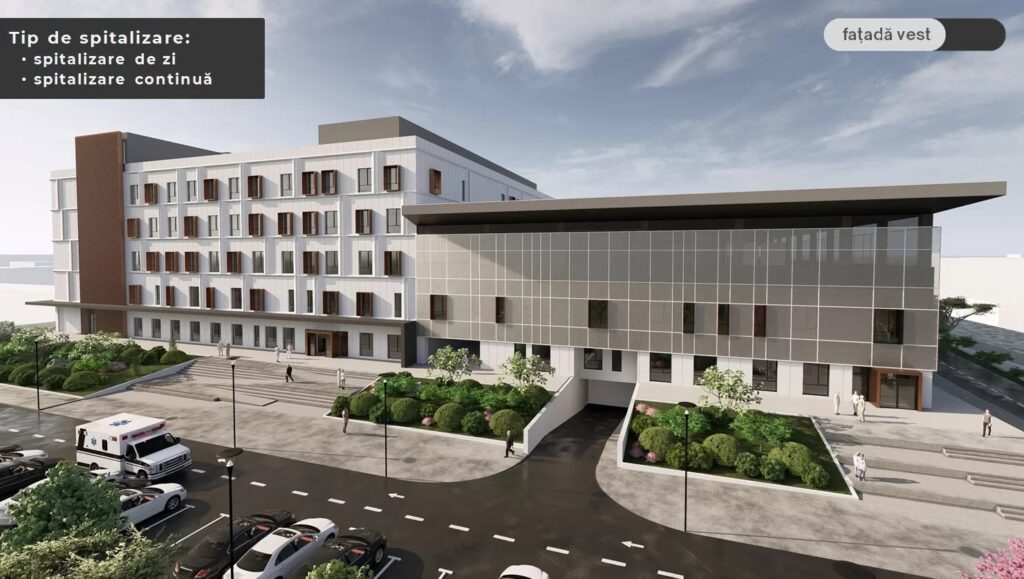
Residents of Bihor County were supposed to benefit from the first public hospital built from scratch since the 1989 Revolution using NRRP funding. In December 2023, Oradea City Hall signed a €135 million financing contract for the new Infectious Diseases and Pulmonology Hospital. Less than three years later, the project was removed from the NRRP because it was unable to meet the strict construction and reimbursement deadlines.
The emergency solution, approved by the local authorities only at the end of July 2026, was to move the investment to the 2021–2027 Health Programme. The planning failure, however, came with a larger bill: the project’s total value rose to €142 million, while the municipality’s total contribution is estimated at around €10 million. City Hall justified the price difference by citing the need for “adaptation to the new regulations and an update of the costs.”
Although the construction site was officially opened only in September 2024, the local administration blames bureaucracy and presents the loss of NRRP funds as a simple technical reallocation. “Given the tendering procedures, the challenges that occurred and the very large scale of the investment, we were no longer able to meet the deadline required to complete the works through the NRRP,” Mayor Florin Birta said on Oradea City Hall’s official page.
At the construction site, the new medical complex, which is expected to have up to 326 beds, is only halfway complete, while tenders for more than €27 million worth of medical equipment are still underway. “At this point, the structural works on the hospital buildings are 100% complete. Overall, the hospital is currently approximately 50% complete,” the mayor said on the municipality’s official page.
The mayor also announced a new opening deadline on City Hall’s page: the end of 2027 or the first part of 2028.
The Eco-Islands Project: From Almost 14,000 Islands to 5,000
We lost €190 million that was supposed to equip cities with digitized eco-islands — containers for separately collecting five types of waste: residual, biodegradable, plastic and metal, paper and cardboard, and glass.
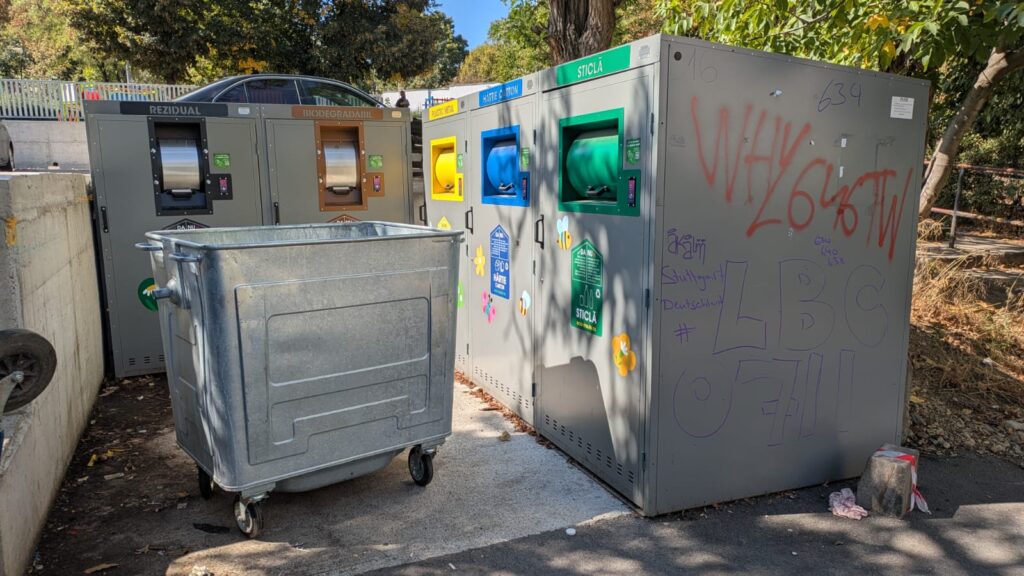
The ultimate objective was to provide authorities with a clear picture of the volumes and types of waste collected. The containers can only be accessed using a card and provide data on the volumes and types of waste deposited, as well as on the people using them.
The project initially targeted the installation of 7,000 digitized eco-islands in Romanian cities by September 2024. By June 2026, the target was at least 13,752 islands.
The Environment Ministry says six months of delays were caused by challenges to the tenders. By April 2025, local authorities had accepted delivery of only 2,800 islands. Ultimately, because of the delays, the project lost 70% of its funding.
Following renegotiations with the European Commission, the eco-islands received a budget of €72 million. The renegotiated target was 5,000 islands by June 2026. “The Ministry of Environment, Waters and Forests achieved the new NRRP target, which was substantially reduced. Nationwide, 5,091 eco-islands were completed through the National Recovery and Resilience Plan.”
Some cities, including Oradea, halted installation of the islands in 2024. Of the 375 islands that were supposed to be installed there, only 100 became operational. City Hall decided to stop installation after identifying problems with the card-based locking and opening mechanism.
We asked the Environment Ministry how many city halls across the country had encountered problems with the eco-islands. “Regarding the situation of the eco-containers in Oradea, we note that the Ministry of Environment, Waters and Forests does not hold information regarding the functionality of the digitized eco-islands or the suspension of deliveries for those products,” the ministry told us, adding that local authorities are responsible for managing the contracts.
Oradea authorities, on the other hand, told us that they informed the ministry about the suspension of installation and sent the list of problems to the Environment Ministry in December 2024.
Oradea City Hall tested a new island model “with an improved design.” The eco-islands were supplied by Europlast România, Ax Perpetuum and Grădinariu Import Export. Europlast România is owned by an Austrian company.
Ax Perpetuum is owned by businessman Dan Pitic, who is a shareholder or administrator in more than 20 other companies. Ax Perpetuum recorded revenues of 300 million lei and a profit of more than 15 million lei in 2024.
TechBolide is a subcontractor on the project. The other company selling the islands, Grădinariu Import Export, is owned by Andrei Călin Grădinariu. In 2024, Grădinariu Import Export had public procurement contracts worth approximately €1.5 million. Overall, the company has done more than €6.8 million worth of business with the state, according to Termene. More details here.
Bucharest University Emergency Hospital: From the NRRP Launch Announcement to the Loss of European Funding
In September 2021, European Commission President Ursula von der Leyen, Romanian President Klaus Iohannis and then-Prime Minister Florin Cîțu announced the green light for Romania’s NRRP from Bucharest University Emergency Hospital.
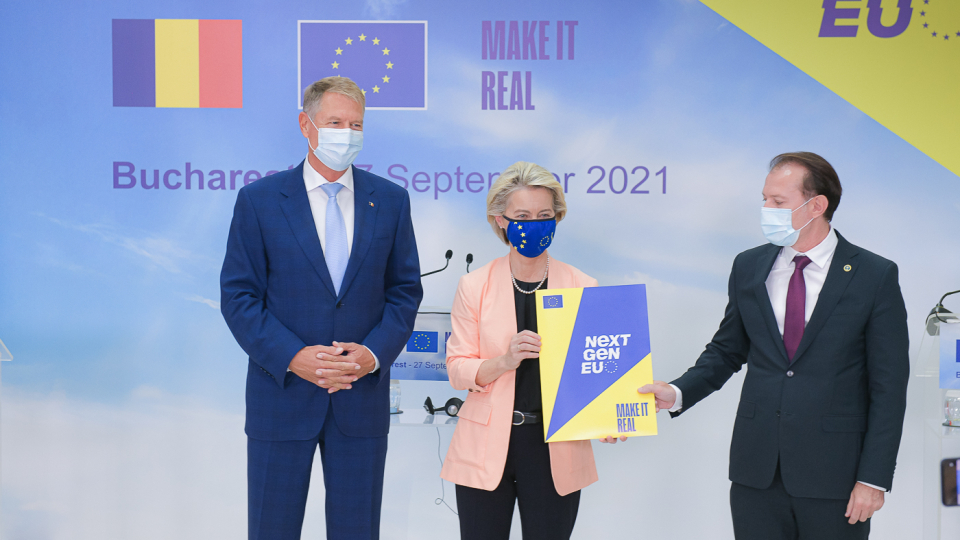
“The COVID-19 pandemic has shown us very clearly that vulnerabilities in the healthcare system have profound implications for the economy, trust in governments and social cohesion. That is why investment in healthcare is a defining pillar of this Plan. Bucharest University Emergency Hospital, which I have just visited together with President von der Leyen, is a compelling example of the contribution European funds make to modernizing Romania’s hospital infrastructure. Through the use of these funds, patients will benefit from high-quality care and the most advanced technologies in the field,” President Iohannis said during the European Commission president’s visit.
Five years later, the project to extend the hospital’s A1 and A4 wings and build outdoor parking facilities, worth €168 million, including €134 million in European funding, was removed from the NRRP and is undergoing termination procedures, according to the Ministry of European Investments and Projects.
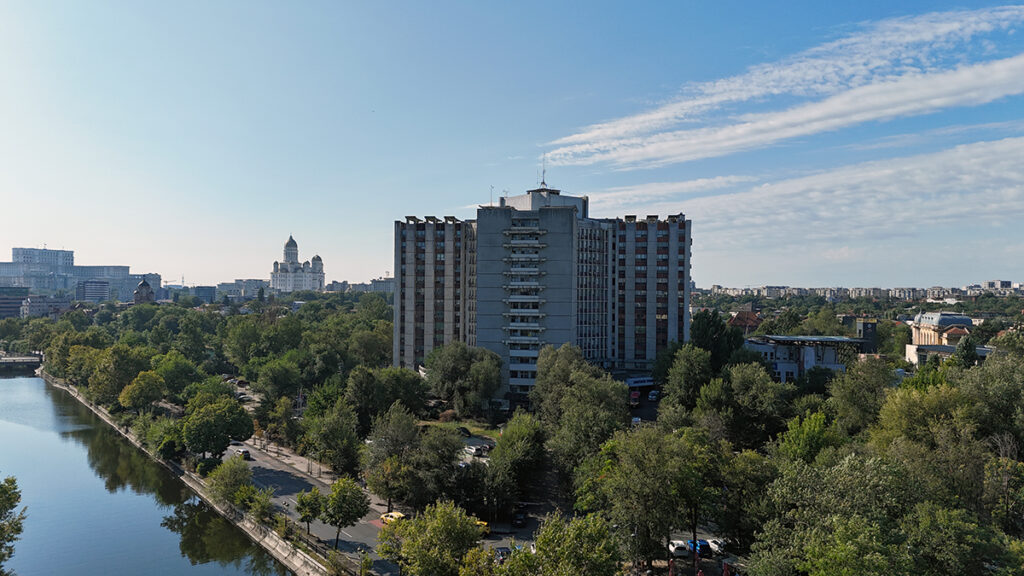
In 2022, the hospital applied for an urban planning certificate, but Bucharest Mayor Nicușor Dan refused because the medical facility was allegedly located in a protected area where a Zonal Urban Plan was required, according to G4Media. The project was unblocked in May 2022, when PNL and PSD councillors voted to amend the old General Urban Plan regulations so that hospital extensions in Bucharest could be carried out through direct authorization, without prior approval of a Zonal Urban Plan and without limits on building height or land coverage, including in protected areas, G4Media reported.
Before the vote, the Liberals criticized Nicușor Dan for blocking the project and warned that NRRP funding could be lost. In response, Nicușor Dan said Bucharest City Hall had actually supported the project. “I cannot believe what I am hearing. All these criticisms directed at the executive, which provided every possible form of support for this project while explaining where the elements of illegality were,” Nicușor Dan said, according to the minutes of the Bucharest General Council meeting of April 28, 2022.
In October 2023, a tender worth 428 million lei excluding VAT was launched for design and construction. It was cancelled in August 2024 after requests for clarification submitted by interested companies revealed errors and omissions in the procurement documentation that could not be corrected, according to SEAP.
The NRRP financing contract for construction of the hospital was signed in December 2023, according to București FM.
In October 2024, Bucharest University Emergency Hospital launched a new design-and-build tender, worth 363 million lei excluding VAT. The procedure was subsequently cancelled following a notice from the Ministry of Health unilaterally terminating the financing contract and because no other funding sources could be identified, according to the March 2026 SEAP cancellation notice.
The cancellation notice also refers to Government Emergency Ordinance 41/2025. Under the emergency ordinance, projects with an implementation rate below 30% are suspended until the end of 2026 if works do not begin.
The second tender was challenged. Five consortia submitted bids for the public contract. In February 2025, the National Council for Solving Complaints (CNSC) upheld a challenge filed by one of the bidders, Concrete & Design Solutions SRL, and ordered the Bucharest hospital to correct the procurement documentation.
Concrete & Design Solutions SRL is also part of the consortium working on the project to build the new “Mother and Child” hospital in Constanța, another failed NRRP project that continues to receive European funding and is expected to be completed next year. Info Sud-Est has written in detail about the evolution of the Constanța project. More details are available here.
In September 2025, the extension of Bucharest University Emergency Hospital appeared on the list of projects losing NRRP funding following a memorandum adopted by the government. The financing contract was unilaterally terminated.
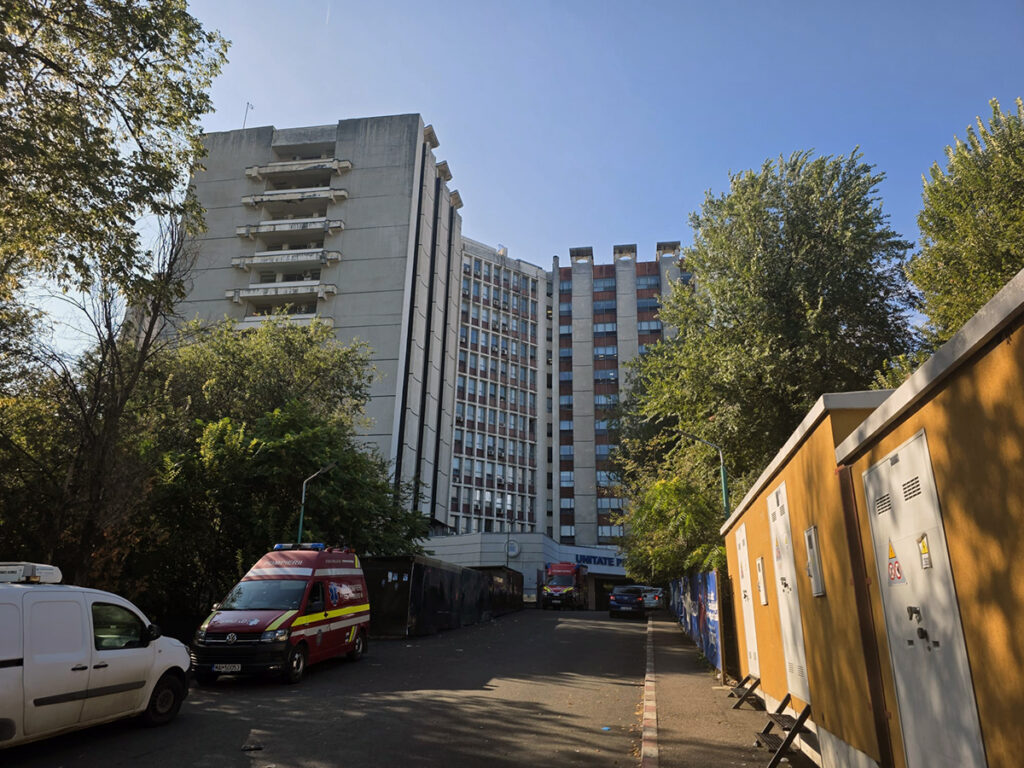
The Bucharest University Emergency Hospital expansion project was supposed to include a new building made up of three sections. The project also proposed 150 outdoor parking spaces.
The expansion included:
- a new Emergency Department with 12 beds for minor and major emergencies and 12 observation beds for critical and non-critical patients, a polytrauma room, consultation rooms and CT, X-ray and ultrasound imaging;
- a gastroenterology ward with 34 beds;
- 11 examination rooms;
- a standalone operating block with five operating theatres, sterilization facilities and pre- and post-operative areas;
- an intensive care unit with 26 beds;
- an orthopaedics department with 48 beds and an operating block with two operating theatres;
- cardiovascular surgery, cardiology, gastroenterology, internal medicine and general surgery departments, each with 20 beds;
- a urology department with 14 beds.
Bucharest’s New “Prof. Dr. Dimitrie Gerota” Hospital Was on the NRRP Blacklist Almost from the Start
Although declared eligible for NRRP funding in January 2023, as the Ministry of Internal Affairs announced in a press release, the project, with a total budget of 2 billion lei — including 1 billion lei in European funds — was already placed on the blacklist of projects expected to lose funding in September 2023.
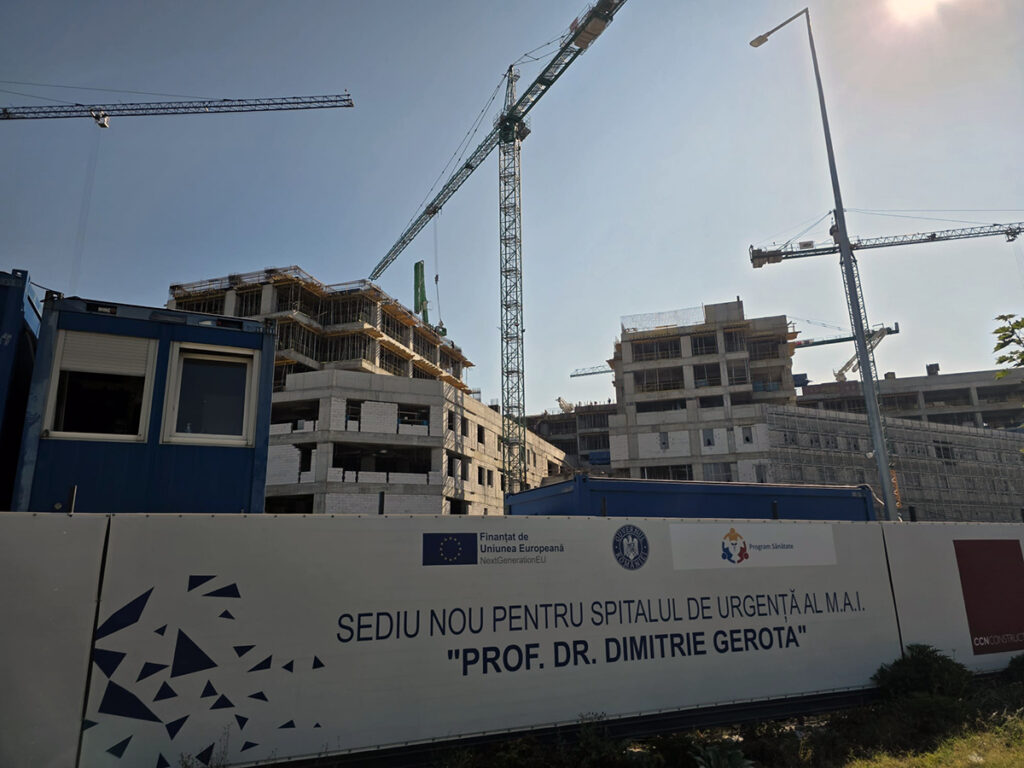
At the time, the Ministry of Health proposed removing six projects from NRRP financing after they were identified as presenting a “high risk” in implementation, according to a document obtained by Economedia and G4Media.
Despite this, the signing of the financing contract was announced in December 2023, and Prime Minister Marcel Ciolacu (PSD) said at the ceremony that he hoped construction would begin in February 2024.
Officially, however, the NRRP financing contract was signed on January 18, 2024, according to the Ministry of Internal Affairs.
On January 29, 2024, the design-and-build contract, worth 1.2 billion lei excluding VAT, was signed with the consortium CCN ALTYAPI YATIRIMLARE VE INSAAT ANNONIM SIRKETI, as leader, and CNN YATIRIM HOLDING ANONIM SIRKETI, as partner.
The Turkish company CNN Altyapi Yatirimlare VE Insaat Annonim Sirketi is also involved in the construction of several other hospitals in Romania: one in Iași, the Regional Emergency Hospital, and two in Cluj — the Monobloc Children’s Hospital, initially financed through the NRRP and now funded by Cluj County Council, and the Cluj Regional Emergency Hospital, financed through European funds.
It was only a year later, on January 17, 2025, that the order to begin construction was issued, according to the Ministry of Internal Affairs. According to the ministry, the project completion deadline was June 30, 2026.
In September 2025, the Romanian government announced the list of hospitals that could no longer be financed through the NRRP. They were transferred to European funding under the Health Programme.
The “Prof. Dr. Dimitrie Gerota” hospital was also on that list. “We agreed that projects involving the construction, modernization and equipping of hospitals which currently have a reported progress rate below 36% should be transferred to the list of projects eligible for European non-repayable funding through the Health Programme,” Prime Minister Ilie Bolojan said.
On March 27, 2026, the financing contract under the Health Programme was signed, with a total value of 2 billion lei.
By June 2026, physical progress on the works stood at around 40%, according to the Ministry of Internal Affairs.
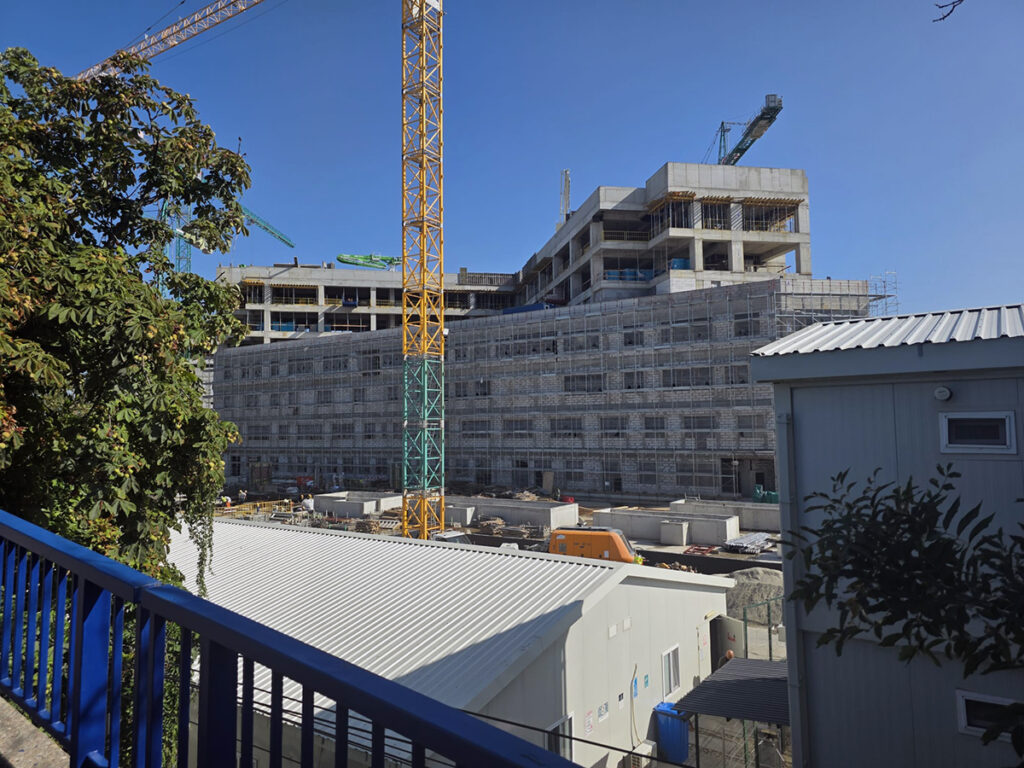
According to the project, the medical facility will have 400 beds for continuous hospitalization, 40 day-care beds and 50 anaesthesia and intensive care beds, for a total of 490 beds.
“The new medical facility will consist of three buildings of different heights, in addition to an independent building housing the technical facilities.
The hospital will provide services to European standards, with integrated and multidisciplinary care — investigation, diagnosis and treatment — both for acute conditions and for rehabilitation and recovery in chronic conditions. Patients will have access to efficient and safe medical services, reducing diagnosis times and costs,” the Ministry of Internal Affairs said.
Started in 2021, the Project to Purchase 20 Electric Trains Was Removed from the NRRP
With a budget of 919 million lei, including 558 million lei in European funds, the Railway Reform Authority planned to purchase 20 interregional electric trains. But this project, which began in 2021, was also ultimately removed from the NRRP.
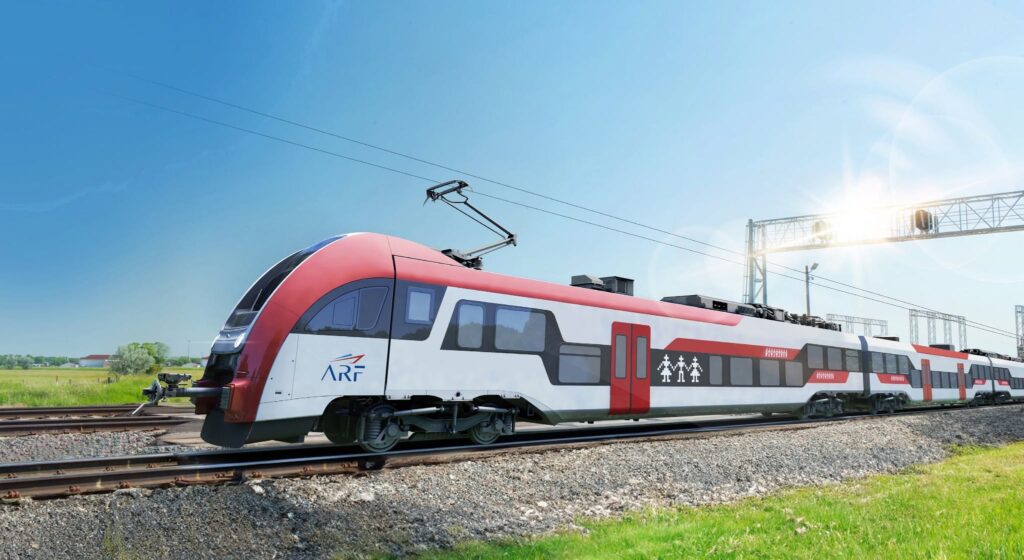
In the summer of 2022, the Railway Reform Authority (ARF) launched a tender worth almost half a billion euros. It was cancelled in the autumn because none of the five interested companies ultimately submitted a bid.
A new tender was launched in November 2022, and in December 2023 a contract was signed with the Polish company POJAZDY SZYNOWE PESA BYDGOSZCZ SPÓLKA AKCYJNA.
The NRRP financing contract was signed in April 2023, according to the Railway Reform Authority. The project was to be financed through the NRRP and the state budget — specifically the budget of the Ministry of Transport and Infrastructure.
The project’s total value was 919 million lei, of which 558 million lei came from European funds. “The project implementation period is 60 months. In accordance with the eligibility rules, project activities began in November 2021 and will continue until December 30, 2026,” ARF said.
In May 2024, the Polish company was reconfirmed as the winner of the contract following a reassessment of its bid ordered by the Bucharest Court of Appeal after a challenge by Alstom. Specifically, the Ministry of Transport, through ARF, had signed the contract with the Polish company on the basis of a favorable decision by the National Council for Solving Complaints (CNSC). Signing the contract was “mandatory” following the administrative ruling, without waiting for a potential appeal before the Bucharest Court of Appeal, Economedia reported.
In May 2025, the Railway Reform Authority purchased another nine electric trains from the Polish company, in addition to the original 20. ARF announced that the nine electric multiple units would be financed through the Modernisation Fund, another European funding instrument.
At the end of January 2026, an addendum concerning the delivery deadline for the first electric train was signed, ARF said.
In April 2026, the NRRP financing contract ended and a financing contract under the Modernisation Fund was signed.
Transport Minister Ciprian Șerban (PSD) announced at the time that, starting in 2026, “the new electric trains will gradually enter service on strategic routes connecting the country’s historical regions: Cluj-Napoca – Sighișoara – Brașov; Cluj-Napoca – Alba Iulia – Simeria – Târgu Jiu – Craiova; Brașov – Ploiești – Buzău – Focșani – Bacău – Pașcani – Iași / Suceava; Galați – Brăila – Constanța – Mangalia, as well as Bucharest – Călărași.”
“As the electrification works currently underway are completed, the trains will also operate on additional routes that are essential for developing regional mobility: Oradea – Cluj-Napoca – Brașov and Cluj-Napoca – Craiova – Calafat,” the minister added.
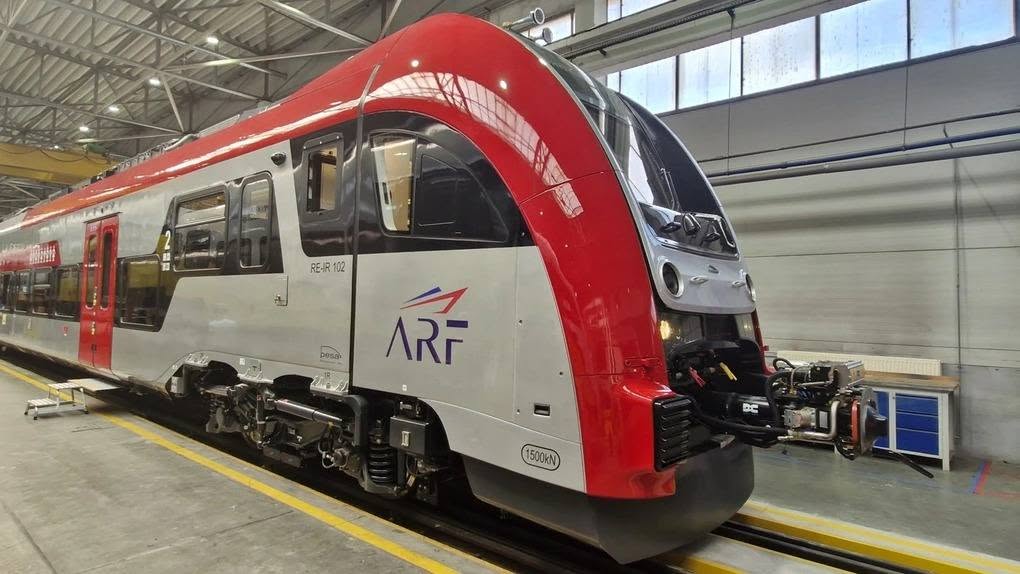
Also in April 2026, preliminary acceptance of one of the electric trains took place at Bucharest Obor railway station. In fact, between January and July 2026, the Railway Reform Authority reported that preliminary acceptance had also been carried out for other electric trains.
It is worth noting that ARF is simultaneously implementing another project involving 62 new short-distance electric trains (Regio). That contract was also won by the Polish company PESA. The project is financed through European funds and the state budget and has a total value of 2.7 billion lei.
From the beginning of August 2026, ARF announced that the first five regional electric trains had been handed over to CFR Călători and had begun operating on the following routes:
- Bucharest North – Brașov;
- Bucharest North – Constanța;
- Bucharest Obor – Constanța;
- Fetești – Constanța.
Toward the end of August 2026, ARF also announced that it had handed over the first four regional electric trains to Transferoviar Călători.
Both projects involving the delivery of new electric trains are financed with European funds, but only one was originally included in the NRRP. The project for the 62 regional electric trains was never financed through the NRRP. The project for the 20 interregional trains was initially included for NRRP funding but was subsequently transferred to the Modernisation Fund.
Team
Reporters: Tünde Szabó, Zoltán Sipos (Átlátszó Erdély); Tudor Chiriac, Cristian Moroșanu (Monitorul de Botoșani); Gabriel Mateescu, Petruț Iacob (Info Sud-Est); Georgiana Anghel (Context.ro)
Editor: Attila Biro
Fact-checking: Iulia Stănoiu
Graphics: Gabriel Mateescu
- This collaborative journalistic project was produced as part of the Independent Media CoLab: From a Community of Practice to a Community of Action in the Media project, funded through the Civic Engagement Programme, supported by the Swiss Contribution with the aim of reducing economic and social disparities in the EU. The content of this material does not necessarily reflect the official position of Switzerland.
Ne bucurăm că ne citești!
Dacă vrei să ne și susții: